
News context: 2026-11-17 | Publication: 17 November 2026 Mains: GS-III: Disaster management
Why in the News
In his opinion published on 17 November 2026, Gujarat official Rajeev Topno reflects on reconstruction after the 2001 Kutch earthquake. He was the district development officer in Kutch at the time. His article is a participant's account and personal assessment, not an independent evaluation of the entire programme.
The argument
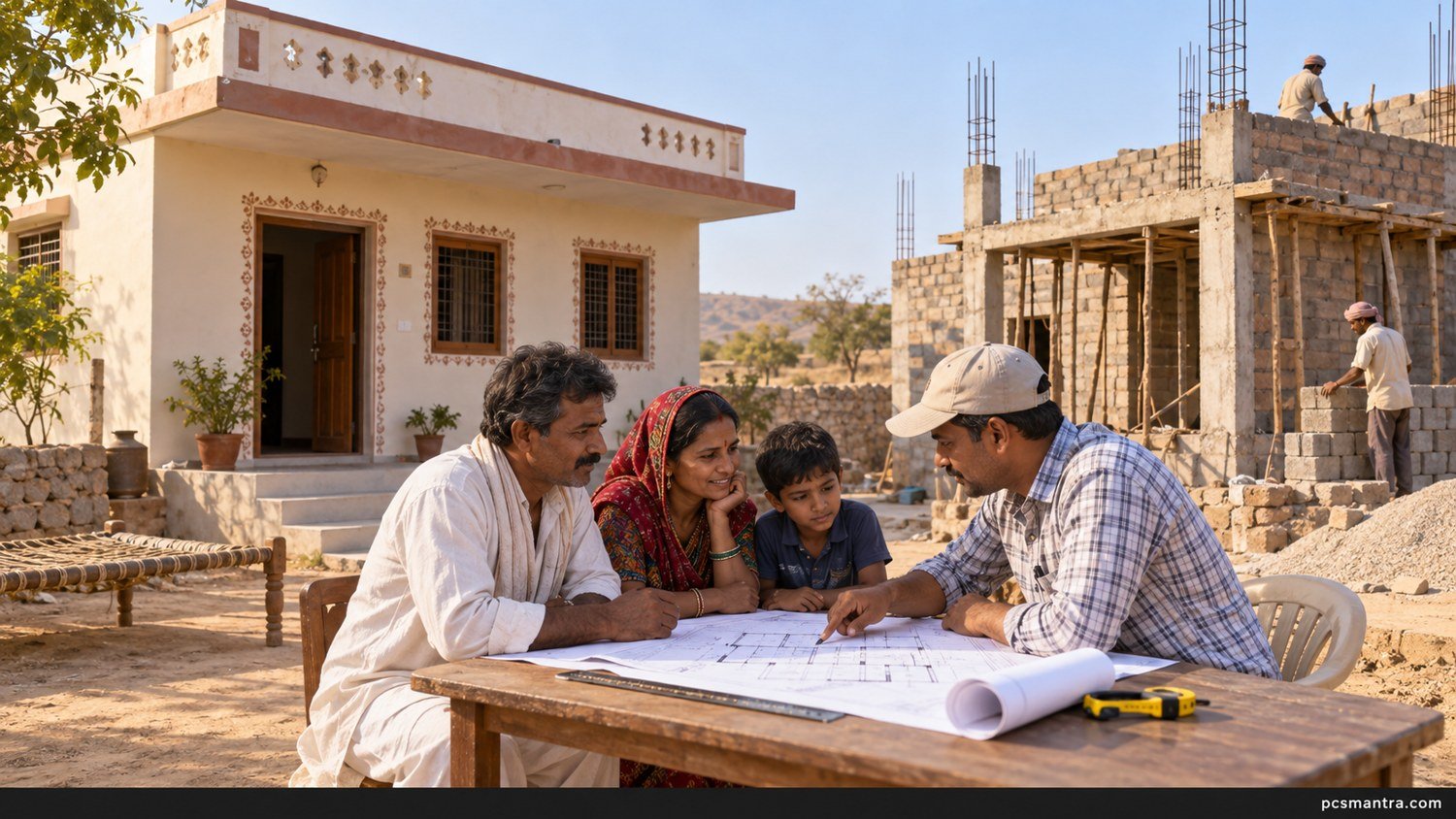
Topno describes an owner-driven approach: families rebuilt their homes with public funding and technical assistance. Later instalments were linked to verified construction progress. He also recounts gram sabha consent for village relocation and NGO participation, opportunities to challenge damage assessments, and local accountability. These details are attributed to his account.
The model can be assessed through three questions. Did affected families have meaningful choices over design and need? Did technical support help secure safer construction? Did instalments and inspections support timely recovery? Counting completed houses alone would not answer all these questions.
Understanding Build Back Better
Recovery should reduce risk rather than reproduce the vulnerabilities that existed before the disaster. This requires attention to construction safety, livelihoods, access to services and the preparedness of local institutions. Completing a house and restoring a household's normal life are different outcomes.
The broader lesson is that procedures learnt during an emergency should become lasting institutional capacity. A mains answer can connect this to state coordination, community participation, technical support and accountability for public money. It should retain the need for independent evaluation alongside the author's favourable assessment. A model's success in one setting does not guarantee identical outcomes elsewhere.
Evidence limits
This article does not repeat precise casualty or housing-damage totals because they have not been separately verified against a primary record. Nor does it turn the opinion's institutional chronology into independently checked examination facts. Its focus is on governance choices rather than unverified numbers.
Mains Practice Question
How can owner-driven reconstruction combine community choice with technical safety? (150 words) (10 marks)
Answer Outline
Introduction: Define recovery as rebuilding livelihoods and institutional capacity as well as homes.
Main Body: Balance household choice, technical safety, staged assistance, gram sabhas and grievance redress. Distinguish a participant account from independent evaluation.
Conclusion: Combine local participation with public standards and long-term risk reduction.
Frequently Asked Questions (FAQ)
What is owner-driven reconstruction in this account?
Families rebuild their own homes with financial and technical help from the state.
Is the article an independent audit?
No. The news hook is a participating official's personal retrospective.
Is Build Back Better only about stronger buildings?
No. The analysis should also include services, livelihoods and institutional capacity to reduce future risk.
Sources
Download this article: PDF