
Published: 22 November 2026
In this article
Why in news
On 19 November 2026, the United Nations Population Fund (UNFPA) launched its annual flagship State of World Population (SOWP) Report 2026. This edition is titled "Succeeding Generations: Empowering young people to chart the future". The report draws on a Demographic Futures Survey of more than 108,000 internet-connected adults in 73 countries, including 1,722 respondents in India. Because the survey covered internet-connected respondents, its findings do not represent all young people. The SOWP series has been published since 1978.
The central message
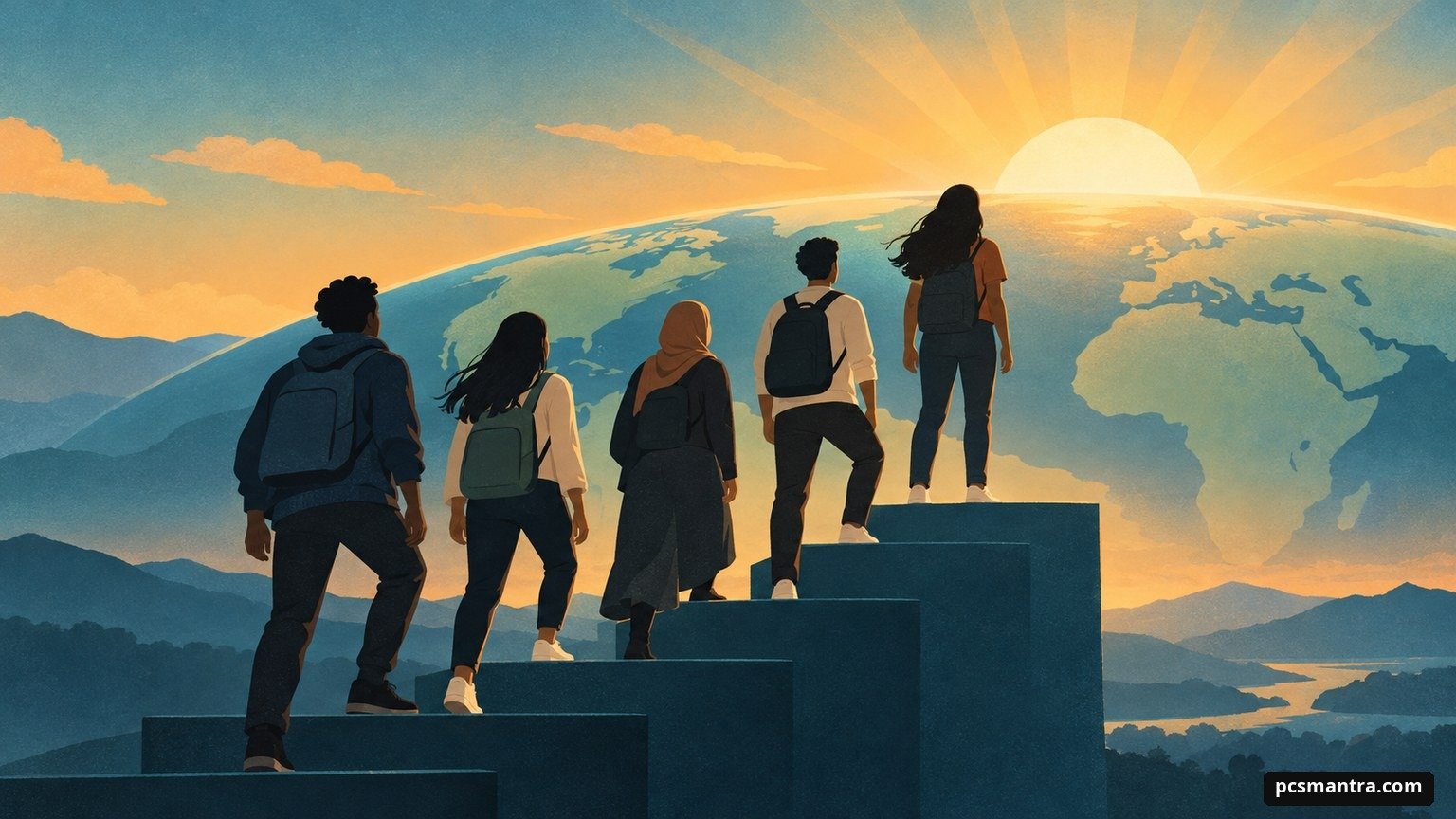
The report asks the world to move from saving succeeding generations to ensuring that those generations succeed. The survey shows that young people still want relationships and family: 70 per cent of respondents described marriage as their ideal arrangement and 91 per cent wanted at least one child. Yet economic insecurity is pushing life's milestones further away - financial independence from parents now arrives in the late twenties, settling down in the thirties, and parenthood near the age of 40. Financial insecurity was the most commonly reported barrier to partnering (57 per cent of respondents) and to having children (72 per cent). Respondents most optimistic about the future intended to have 0.4 more children than the least optimistic.
Key barriers before young people
According to the report, one in five young people globally is not in employment, education or training (NEET). Young women aged 15-24 are more than twice as likely as young men to be in this situation, while 49 per cent of young persons with disabilities are neither in school nor employed. In low-income countries, four in five young adults do not have a secure paid job. The number of people aged 10-24 living within 50 kilometres of active conflict more than doubled, from 164 million in 1990 to 340 million in 2022. Mental health conditions now account for 19 per cent of the total disease burden among adolescents. Among girls aged 15-19 who have had an intimate partner, nearly a quarter report having experienced physical or sexual violence from a partner. Official development assistance from OECD countries fell by 23 per cent in 2025, the largest annual contraction on record; the report warns of as many as 22 million additional preventable deaths by 2030 if such financing keeps contracting.
The representation gap
Adults aged 30 and younger make up 19 per cent of the global population but hold just 2.8 per cent of parliamentary seats, and fewer than half of these seats are held by women. In one survey cited by the report, 76 per cent of people younger than 30 said politicians do not listen to young people. The report treats this as a trust gap between policymaking and the generation most affected by it.
Findings for India
More than one in four Indians are aged 10 to 24, so the aspirations of young people will shape the country's demographic trajectory. In the survey, 83 per cent of Indian respondents felt positive or very positive about the future. Women aged 18-39 described an ideal family size of 2.1 children, and nearly 85 per cent of childless respondents aged 35-39 said they would ideally like to become parents. Read alongside the National Family Health Survey (NFHS-6), the report notes progress: maternal mortality stood at 87 per 100,000 live births in 2022-24; births attended by skilled health personnel rose to 91.3 per cent from 89.5 per cent in NFHS-5; and the unmet need for family planning fell to 8.5 per cent from 9.4 per cent. The report places reproductive choice - the ability to decide freely and responsibly whether, when and how many children to have - at the foundation of these aspirations.
The way forward
The report's suggestions point in four directions: invest in health, education and economic opportunity; protect bodily autonomy and reproductive choice; involve young people in planning the policies meant for them; and build partnership across generations, including girls, young people with disabilities and other underserved groups. As UNFPA's Representative in India put it, succeeding generations means ensuring that young people's perspectives inform the planning of policies and programmes designed for them.
Exam relevance
This topic connects population, youth and development. In Mains, argue that a demographic dividend comes not from population structure alone but from opportunity and participation. For Prelims, remember the report title, the publishing agency, the survey name and the headline figures. The 2025 ODA cut and the conflict-affected youth figures refer to past years, so write them in the past tense.
Mains practice question
Analyse the widening gap between young people's aspirations and the opportunities available to them. What policy steps are needed to convert the demographic dividend into real gains? (250 words, 15 marks)
Answer outline
- Introduction: Open with the central message of SOWP 2026 - young people are more educated and informed than ever, yet life's milestones are moving out of reach.
- Main body: Cover economic insecurity, NEET status, gender and disability gaps, conflict-affected youth and the representation deficit. Then connect solutions: investment in health and education, protection of reproductive choice, youth participation in policy and intergenerational partnership.
- Conclusion: Conclude that the dividend is not automatic; opportunity-creating policies turn a young population into strength.
Sources
- UNFPA: State of the World Population Report 2026 launch,19 November 2026
- UNFPA SOWP 2026 report summary and key figures,19 November 2026
Frequently asked questions
Who released the State of World Population Report 2026?
The United Nations Population Fund (UNFPA), on 19 November 2026. It is the flagship annual report of this series, published since 1978.
Which survey underlies SOWP 2026?
The Demographic Futures Survey of more than 108,000 internet-connected adults in 73 countries, including 1,722 respondents from India. Because the survey covered internet-connected respondents, its findings do not represent all young people.
What does NEET mean?
A young person not in employment, education or training. According to the report, one in five young people globally is NEET.
Download this article: PDF (English)